World's largest inactive volcanic caldera — home to 30,000+ animals including the endangered black rhino
The Ngorongoro Crater is the world's largest inactive, intact, and unfilled volcanic caldera. Formed 2 to 3 million years ago when a massive volcano erupted and collapsed on itself, the crater stretches 20 kilometers across and plunges 600 meters deep, creating a natural amphitheater of extraordinary biodiversity.
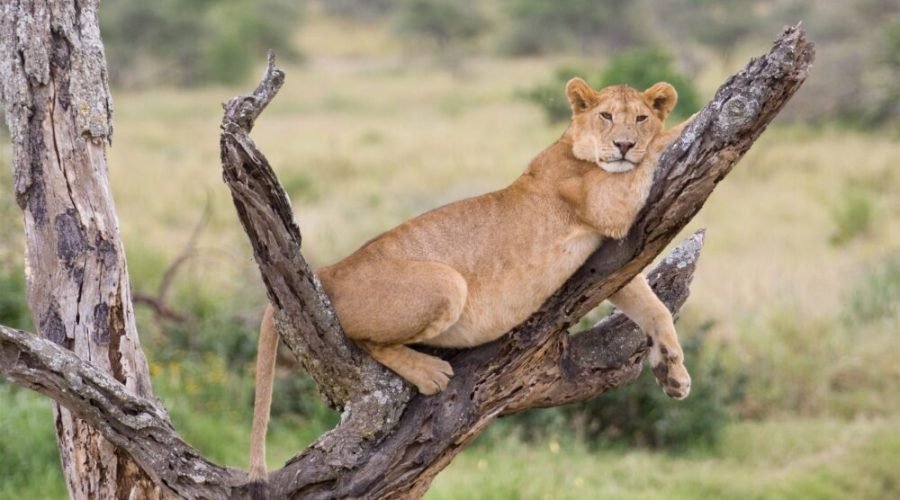
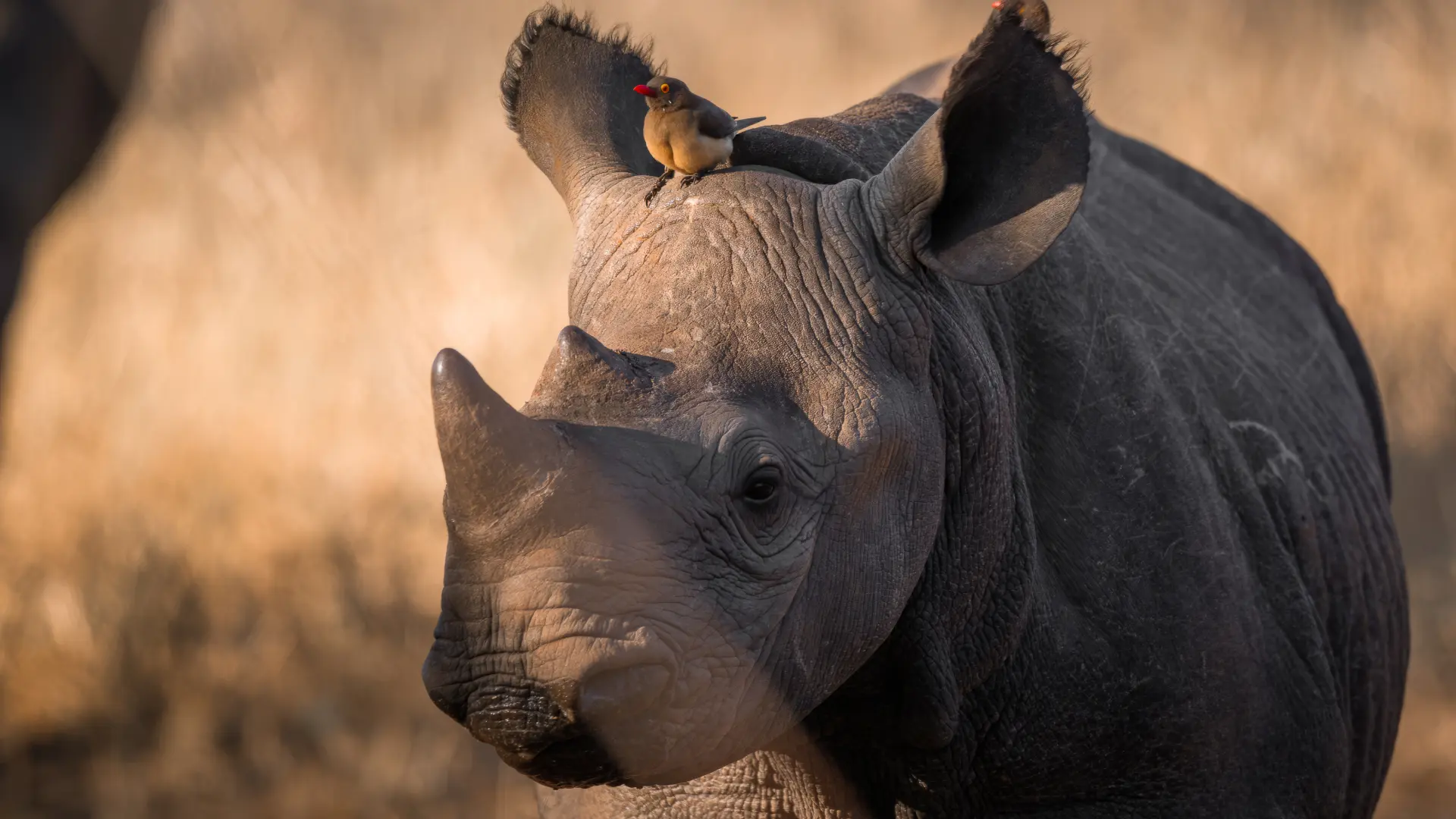
Home to all of the Big Five — including Tanzania's last remaining population of endangered black rhinos — the crater floor hosts approximately 30,000 animals at any given time, making it one of the highest wildlife densities on Earth. From lions lounging on the grasslands to flamingos painting the soda lakes pink, every moment in the Ngorongoro Crater feels like stepping into a living nature documentary.
Plan Your Ngorongoro Safari
One of the few places on Earth where you can see lions, leopards, elephants, rhinos, and buffalo all within a single day's game drive on the crater floor.
Stand on the edge of this 600-meter-deep caldera and witness breathtaking panoramic views that stretch across the crater floor and beyond to the endless plains.
Visit traditional Maasai bomas on the crater rim where the local Maasai people have lived alongside wildlife for centuries, maintaining their ancient semi-nomadic traditions.
Watch thousands of lesser flamingos paint Lake Magadi pink as they feed on algae in the soda lake, creating one of the crater's most iconic and photogenic scenes.
Ngorongoro is one of the best places in Africa to spot the endangered black rhino — Tanzania's last remaining population shelters within the crater's protected walls.
Enjoy a packed lunch at the famous Hippo Pool (Miganga), where pods of hippos wallow just meters away while you take in the serene surroundings of the crater.
The best time for wildlife viewing as animals concentrate around water sources on the crater floor. Vegetation thins out making animals easier to spot. Peak safari season with excellent Big Five sightings, especially around Lake Magadi and the swamps.
Nearby Ndutu plains come alive with wildebeest calving as part of the Great Migration. Predator action intensifies in and around the crater. A dramatic time to witness nature's circle of life with lion prides on the hunt.
Lush green landscapes transform the crater into a vibrant paradise. Fewer visitors mean a more intimate experience. Excellent for birdwatching with migratory species arriving. The crater's walls draped in green create stunning photography backdrops.
Let us create your dream safari experience. Contact us for a personalized itinerary and quote.