Africa's highest peak at 5,895m — the Roof of Africa awaits your conquest
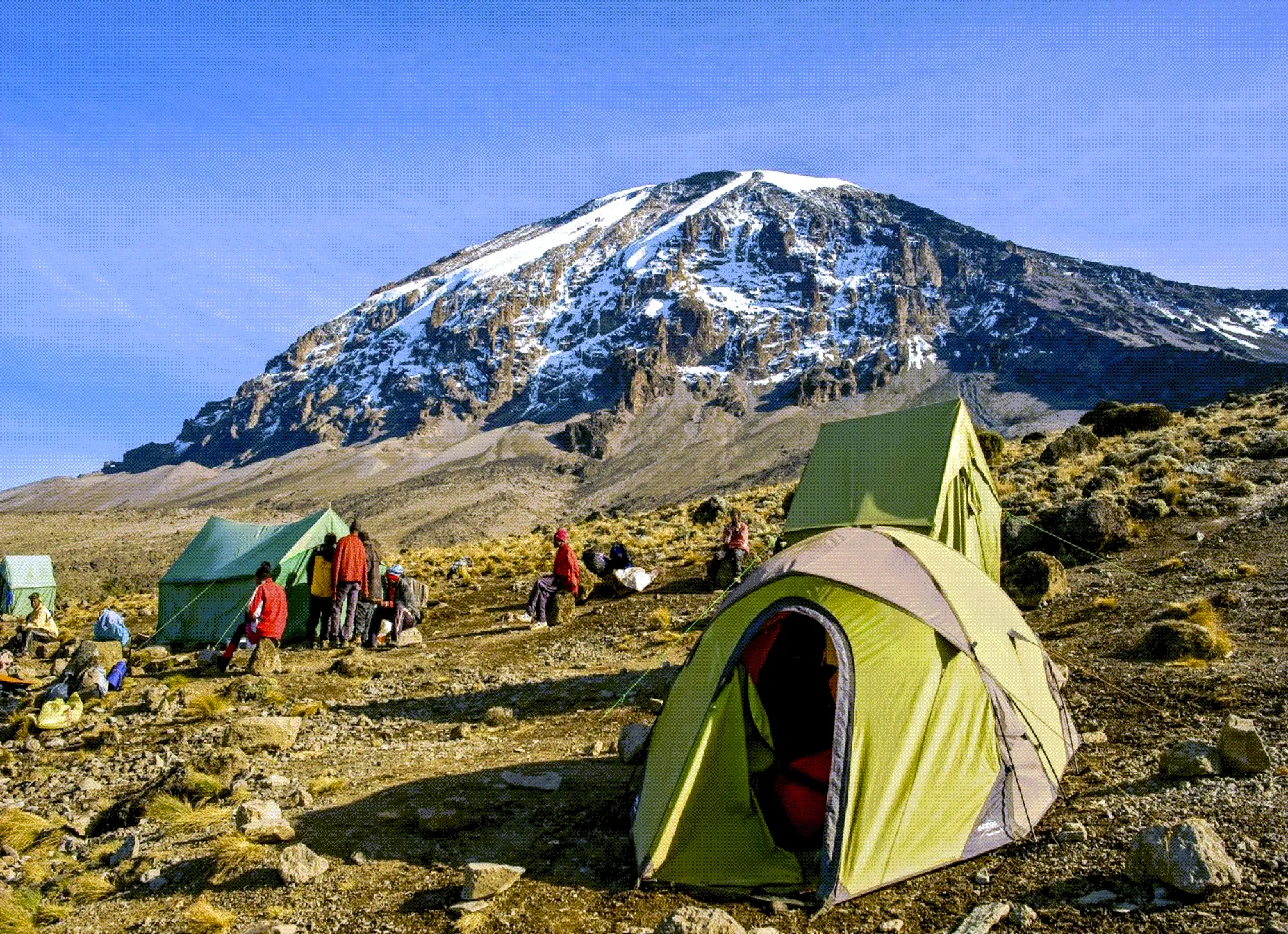
Rising 5,895 meters above sea level, Mount Kilimanjaro is Africa's tallest mountain and the world's highest free-standing volcanic peak. This dormant stratovolcano, located in northeastern Tanzania near the Kenyan border, offers one of the most accessible high-altitude trekking experiences on the planet — no technical climbing skills required.
As you ascend Kilimanjaro, you'll journey through five distinct climate zones: lush tropical rainforest, cultivated farmlands, heath and moorland, alpine desert, and finally the glacial arctic summit of Uhuru Peak. With a 98% summit success rate on routes of 7 days or more, Kilimanjaro is the ultimate bucket-list adventure for trekkers of all experience levels.
Plan Your Kilimanjaro Trek
Stand on the summit of Africa's highest point at 5,895m. The iconic Uhuru Peak sign marks the highest point on the continent with views stretching to the horizon.
Journey through tropical rainforest, moorland, alpine desert, and arctic glacier — a botanical and ecological odyssey from equator to ice cap in a single trek.
Discover the otherworldly giant groundsels and lobelias found nowhere else on Earth, unique Afro-alpine plants that have adapted to the extreme mountain climate.
Explore the slopes of Kilimanjaro where the Chagga people cultivate world-famous Tanzanian coffee on the fertile volcanic soils of the mountain's lower reaches.
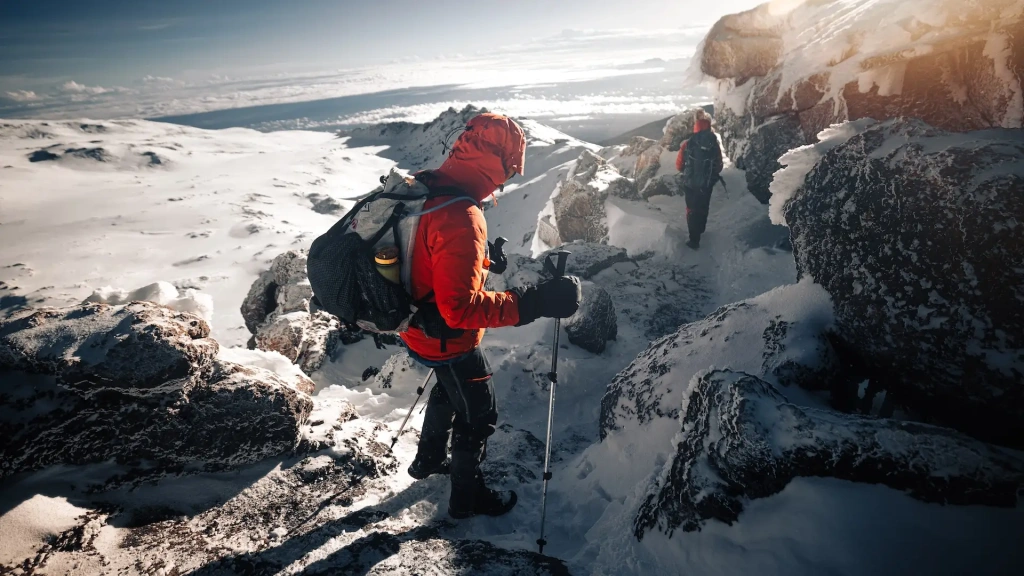
Witness an unforgettable sunrise from the summit where you stand above a sea of clouds with the African plains stretching endlessly below you.
Kilimanjaro is a non-technical trekking mountain. If you can walk for several hours a day and acclimatize properly, you can summit Africa's highest peak.
The driest and most popular climbing period with clear skies, excellent visibility, and comfortable temperatures. Peak trekking season with well-established routes and the highest summit success rates.
Warmer temperatures and fewer climbers on the mountain. Good visibility and relatively dry conditions make this an excellent alternative window for your trek with more solitude on the trails.
The wettest period with higher rainfall and lower temperatures. Fewer trekkers mean more solitude and potentially lower costs, but conditions are more challenging with reduced visibility and muddy trails.
Let us create your dream trekking experience. Contact us for a personalized itinerary and quote.