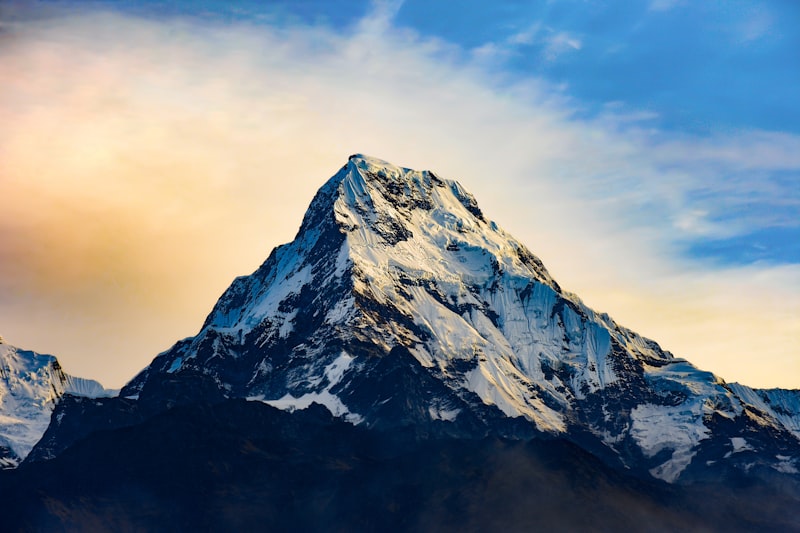
Packing for Mount Kilimanjaro is one of the most critical aspects of preparing for your climb. At 5,895 meters above sea level, the Roof of Africa takes you through five distinct climate zones — from tropical rainforest at the base to arctic conditions at the summit. The right gear can mean the difference between a successful summit and a miserable, or even dangerous, experience. This comprehensive packing list covers every item you'll need, organized by category, so nothing gets left behind.
The Layering System: Your Most Important Tool
Mountain weather on Kilimanjaro is notoriously unpredictable. You might experience scorching sun, freezing rain, howling wind, and snow — sometimes all in a single day. The key to staying comfortable is a three-layer system that you can add or remove as conditions change. Your base layer should consist of moisture-wicking synthetic or merino wool tops and bottoms that pull sweat away from your skin. Avoid cotton at all costs, as it retains moisture and can lead to hypothermia when temperatures drop.
The mid layer provides insulation and is typically a fleece jacket or down vest. This layer traps warm air close to your body and can be easily removed during warm afternoon sections. Your outer layer is your protection against wind and rain — a quality waterproof and breathable jacket and pants are essential, especially for summit night when conditions at the crater rim can be brutal. Many climbers underestimate how cold it gets at the top; temperatures regularly drop to -15°C or lower with wind chill.
Footwear: Your Foundation
Investing in the right footwear is non-negotiable. You need waterproof hiking boots with ankle support that have been broken in well before your climb. Nothing ruins a trek faster than blisters from new boots. Bring liner socks to reduce friction, along with several pairs of wool hiking socks. Many experienced Kilimanjaro climbers recommend bringing at least four pairs of socks so you always have a dry pair available. Gaiters are also useful for keeping debris and water out of your boots, particularly on the muddy rainforest section.
Break in your boots for at least 50 kilometers before the climb. A single blister on day one can turn your entire trek into an ordeal.
Sleeping Gear: Rest at Altitude
A good night's sleep is crucial for acclimatization, and temperatures in the mountain huts and camps can drop well below freezing. Bring a four-season sleeping bag rated to at least -10°C, though -15°C is recommended for the higher camps. Pair it with a quality sleeping pad for insulation from the cold ground. Many climbers also bring a sleeping bag liner for extra warmth and hygiene. A comfortable travel pillow can make a surprising difference in sleep quality, especially at altitude where rest is already compromised.
Trekking Poles and Daypack
Trekking poles are highly recommended for Kilimanjaro. They reduce the impact on your knees during descents, provide stability on loose terrain and scree slopes, and help maintain rhythm during long trekking days. Adjustable poles that can be collapsed for storage are the most versatile choice. For your daypack, choose a 25-35 liter bag with padded shoulder straps and a hip belt for weight distribution. This is where you'll carry your water, snacks, sunscreen, camera, and extra layers during the day. Your main duffel bag, which porters will carry, should be around 80-100 liters and waterproof.
Hydration and Nutrition
Staying hydrated at altitude is vital for acclimatization and performance. Bring a hydration system like a CamelBak or Nalgene bottles with at least a three-liter capacity. Some climbers also bring purification tablets as a backup. High-energy snacks like trail mix, energy bars, chocolate, and dried fruit will fuel you between meals. On summit night, you'll burn thousands of calories and need easily digestible snacks to keep going. Electrolyte tablets are also useful for maintaining mineral balance during intense exertion.
Sun Protection
At high altitude, UV radiation is significantly more intense than at sea level. Bring a high-SPF sunscreen (50+), lip balm with UV protection, and quality sunglasses with UV400 protection. A wide-brimmed hat or cap protects your face and neck during the sunnier lower sections, while a warm beanie is essential for the colder upper reaches. A buff or neck gaiter serves multiple purposes — sun protection, warmth, and dust shield on dry sections.
Essential Medications and First Aid
Consult your doctor before the climb about altitude sickness prevention. Diamox (acetazolamide) is commonly used to prevent and treat altitude sickness, though it requires a prescription and should be discussed in advance. Bring a personal first aid kit including blister treatment (moleskin, Compeed), pain relievers, anti-diarrheal medication, rehydration salts, and any personal prescription medications. Hand sanitizer and wet wipes are also invaluable on a multi-day trek where shower access is limited.
Clothing Checklist Summary
- 3-4 moisture-wicking base layer tops and bottoms
- 2 fleece or insulated mid-layer jackets
- 1 waterproof and breathable outer jacket
- 1 pair waterproof hiking pants
- 1 pair warm insulated pants for summit night
- 4-5 pairs wool hiking socks
- Warm gloves and liner gloves
- Warm hat, sun hat, and buff
- Waterproof hiking boots (broken in)
- Camp shoes or sandals for evenings
What Porters Carry vs What You Carry
On a standard Kilimanjaro climb, porters will carry your main duffel bag (usually limited to 15-20 kg) between camps. Your daypack is the only bag you carry during trekking hours. This is why organization is key — you need to pack your daypack with everything you'll need during the day, while your duffel contains your camp clothing, sleeping gear, and other essentials. Label your bags clearly and keep valuables, electronics, and essential medications in your daypack at all times.
Final Tips
Test all your gear before arriving in Tanzania. Set up your tent, try on every layer, and walk in your boots to ensure everything fits and functions properly. Pack light but pack smart — every item should serve a purpose. Remember that you can rent most gear in Moshi or Arusha if you prefer not to buy everything, but always inspect rental equipment carefully. A well-prepared climber is a successful climber, and having the right gear will give you the confidence to focus on what truly matters: reaching the Roof of Africa.