Tanzania is a year-round destination, but the experience you have can vary dramatically depending on when you visit. The country's diverse geography — from the sweeping plains of the Serengeti to the snow-capped summit of Kilimanjaro and the tropical shores of Zanzibar — means that different regions have different optimal travel windows. Understanding Tanzania's climate patterns, animal movements, and tourist seasons will help you plan a trip that aligns perfectly with your interests.
Tanzania's Climate: Rainy vs Dry Season
Tanzania has two main seasons: the dry season and the wet season. The dry season runs from June to October, while the wet season is split into two periods — the long rains (Masika) from March to May and the short rains (Vuli) from November to December. The dry season is generally considered the best time for wildlife viewing because animals congregate around water sources, vegetation thins out making them easier to spot, and the cooler, drier weather is more comfortable for game drives. However, the wet season has its own advantages: fewer crowds, lower prices, lush green landscapes, and excellent birdwatching as migratory birds arrive.
The "best" time to visit Tanzania depends entirely on what you want to do. A Kilimanjaro climber, a Serengeti safari-goer, and a Zanzibar beach lover will all have different answers.
Safari: June to October (Peak Season)
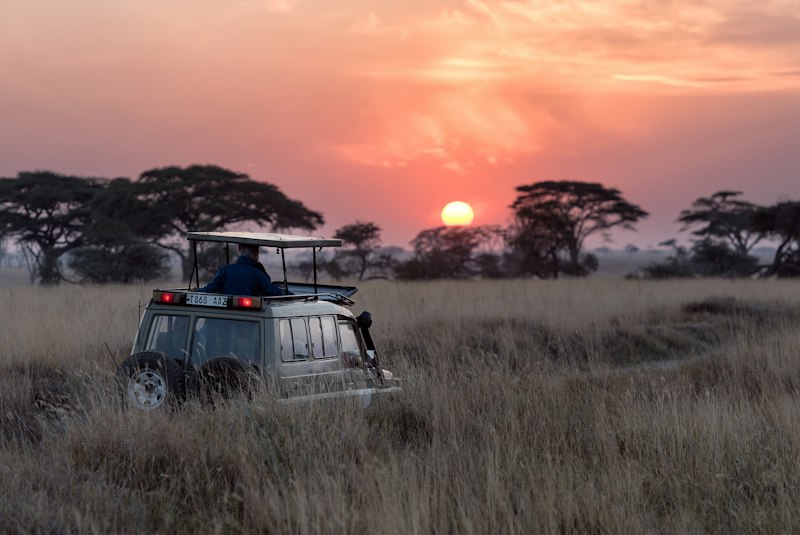
The months from June through October represent the prime safari window in Tanzania. During this period, the Serengeti's dry plains make it easy to spot the Big Five — lions, leopards, elephants, buffalo, and rhinos — as they gather around shrinking waterholes. The Ngorongoro Crater offers exceptional game viewing year-round, but the dry season reduces vegetation and makes the crater floor more accessible. Tarangire National Park is particularly spectacular from June to October when massive elephant herds migrate to the park's permanent water sources, creating one of the highest concentrations of elephants in Africa.
July and August are the busiest months, with higher lodge rates and more visitors at popular parks. If you prefer a quieter experience, consider visiting in June or September when the wildlife viewing is still excellent but the crowds are thinner. October marks the tail end of the dry season and can be quite hot, but the animal concentrations at water sources remain impressive.
The Great Migration Timing
The Great Migration is one of Tanzania's biggest draws, and its timing plays a major role in planning your trip. Approximately two million wildebeest, along with hundreds of thousands of zebras and gazelles, follow a circular route through the Serengeti-Mara ecosystem. From January to March, the herds calve on the southern Serengeti plains in what is known as the "birthing season," where around 8,000 wildebeest are born each day. By April and May, the herds begin moving northwest, and by June they reach the Grumeti River, where dramatic river crossings occur. From August to October, the migration moves into the northern Serengeti and the Maasai Mara in Kenya, with the famous Mara River crossings happening during this period.
Kilimanjaro: January to March, June to October
Mount Kilimanjaro can be climbed year-round, but the最佳 conditions are found during two windows. January to March offers warmer temperatures, clearer mornings, and smaller crowds compared to the peak months. This period is ideal for climbers who prefer a more intimate experience on the mountain. June to October is the main climbing season, with the clearest skies and most stable weather conditions. July, August, and September are the driest months on the summit, making them the most popular choice for reaching Uhuru Peak. The rainy seasons — April to May and November to December — bring heavy snow and reduced visibility at higher altitudes, making climbing more challenging and less enjoyable.
Zanzibar: June to October, December to February
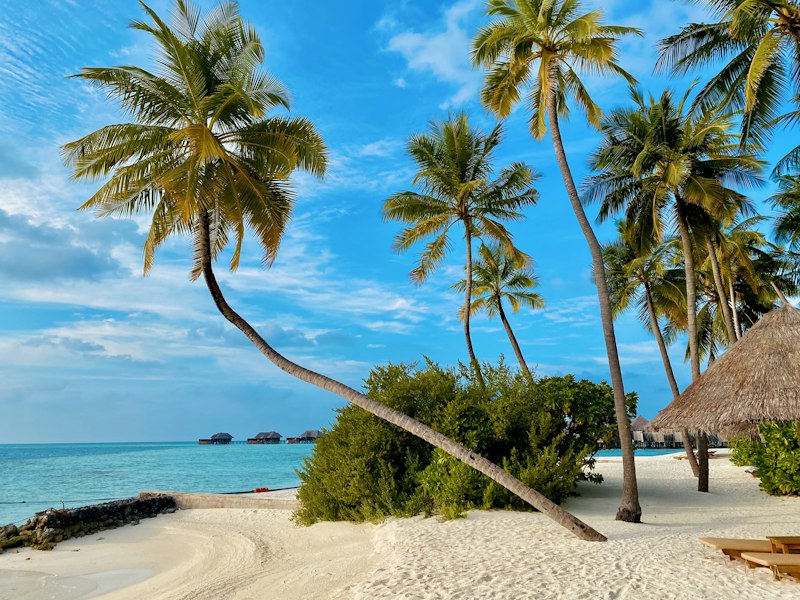
Zanzibar's tropical climate makes it a year-round beach destination, but the best conditions are found during two periods. From June to October, the weather is warm and dry with low humidity, perfect for snorkeling, diving, and exploring Stone Town without the oppressive heat. This is also the best time for water sports like kitesurfing and sailing. From December to February, the island experiences its warmest temperatures and calmest seas, making it ideal for underwater activities at Mnemba Atoll and other dive sites. The long rains from March to May bring heavy downpours and rough seas, while the short rains from November to December typically only affect the late afternoon and evening.
Month-by-Month Breakdown
- January - March: Great for Kilimanjaro climbs and Serengeti calving season. Warm weather across the country with occasional afternoon showers.
- April - May: Long rains bring lush greenery and fewer tourists. Best for budget travelers and birdwatching. Some lodges close during this period.
- June - October: Peak safari and Kilimanjaro season. Dry weather, excellent game viewing, and clear mountain views. Higher prices and more visitors.
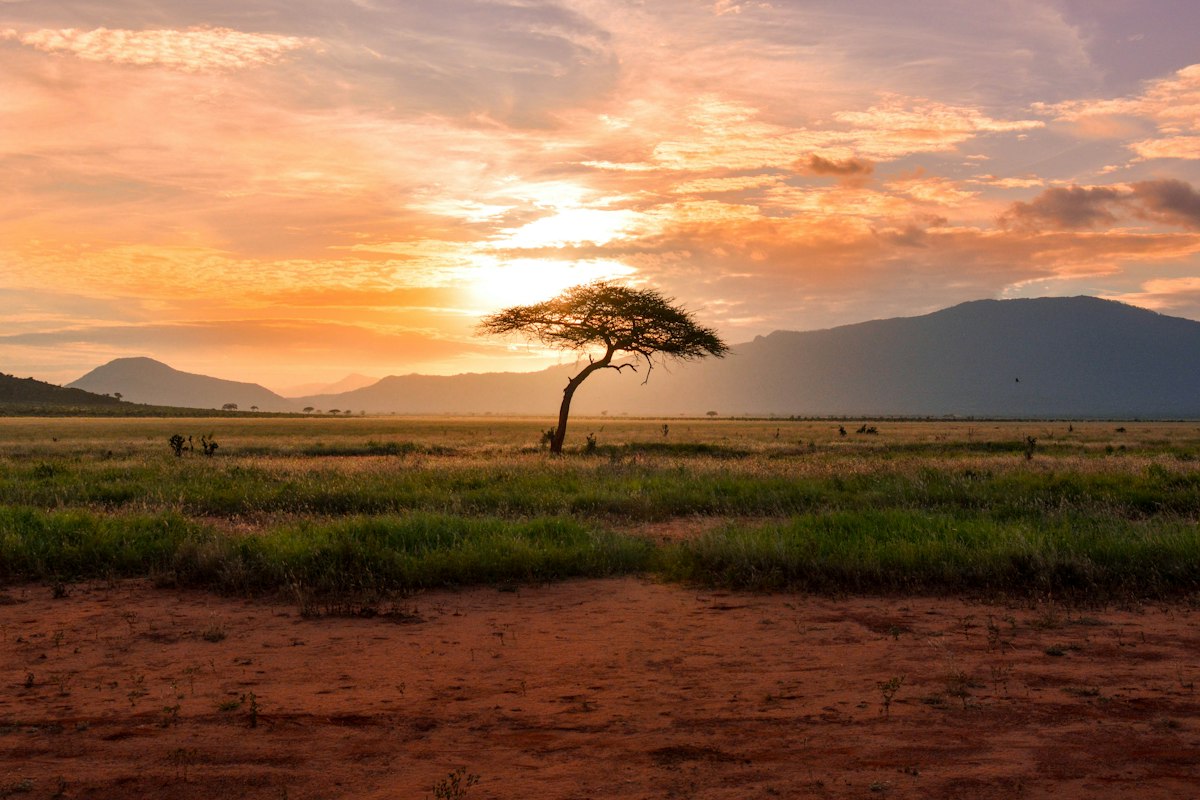
- November - December: Short rains create dramatic landscapes. Good for photography with dramatic cloud formations. Migration moves through northern Serengeti.
Budget Considerations
If budget is a primary concern, the shoulder seasons — March to May and November — offer significant savings on flights, lodges, and safari packages. Many luxury camps offer discounts of 30-50% during these periods, and you'll enjoy a more exclusive experience with fewer visitors. The trade-off is that some roads may be muddy, vegetation is denser, and certain camps in remote areas may be closed during the heavy rains. However, the wildlife is still present, and the dramatic storm clouds create stunning photographic opportunities.
Final Recommendation
For the best overall Tanzania experience — combining a Serengeti safari, Kilimanjaro climb, and Zanzibar beach holiday — the months of June through September offer the most favorable conditions across all three activities. The weather is dry and pleasant, wildlife is concentrated and visible, and the mountain conditions are at their best. Book well in advance for these months, as the best lodges and guides fill up quickly. Whatever time you choose to visit, Tanzania promises an unforgettable adventure that will leave you with memories to last a lifetime.